
Who you'd be working with
Bill Eisenhauer.
Austin, Texas.
Late Shift is one person. That's a feature for the kind of work it does and a risk you should ask about, so both are on this page.
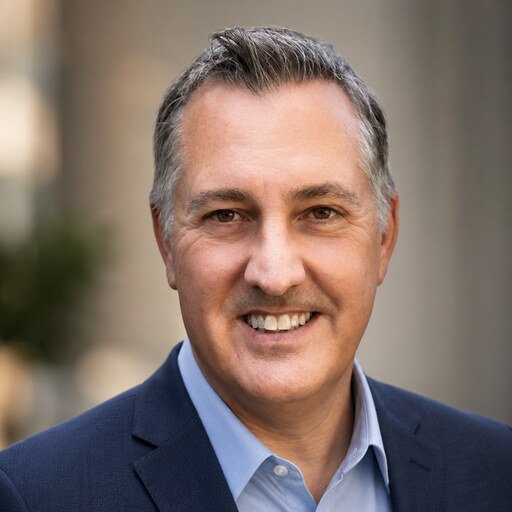
The founder
Eisenhauer
- Building software
- 45 years
- Silicon Valley
- Early engineer, Stitch Fix
- Also
- Senior engineering manager, ezCater
- Formerly
- Texas real estate licensee
- Based
- Austin, Texas
- Serves
- Austin-area trades shops
I've been building software for forty-five years, most recently running engineering teams at Stitch Fix and ezCater, companies whose whole business was making a lot of small, repetitive operations run without a person touching each one. That's the shape of the problem in a trades shop: the same handful of office jobs every week, none of them done until you're too tired to do them well.
I build systems for a living, and I've held a Texas real estate license, so I know what it's like to run on follow-up. I haven't worked inside a roofing or HVAC shop. What I have is a theory, built from research: the money isn't lost on the roof. It's lost at the kitchen table at nine at night, when the follow-up doesn't get sent. The assessments are how I test that theory, one shop at a time, in your own numbers.
One more honest thing: I'm early with this. The overnight crew runs every night on a simulated shop, and one Austin-area roofer has already signed on to work with me. That's why I start every shop with an assessment: I measure before I recommend, and I'll tell you straight if a fix isn't worth it in your operation.
Why one person
The case for a one-person shop.
Setting the crew up for your shop doesn't benefit from an account manager and a junior who has to be brought up to speed on your pricing. It benefits from one person who watches how your office actually runs and remembers it when the crew gets tuned. You talk to that person. There's nobody between you and the work.
It also means the person who hears "that draft was wrong" is the person who fixes it, usually the same week.
The risk, honestly
The bus question.
One person can be unavailable, and I can only do a few assessments a week, so there may be a wait. And if I got hit by a bus, you'd want to know what happens to your shop.
Here's the honest answer. The crew runs on its own every night; it doesn't need me at the keyboard. Your settings (how you write, your cadence, who approves what) are written down in the app, not in my head. And nothing goes to a customer without your office approving it, so the worst case is a queue nobody's tuning, not messages going out unchecked. You can also ask for your data at any time.
The name
Why "Late Shift."
The late shift is the one you're working right now: nine, ten, eleven at night, at the kitchen table, doing the office work the day never left room for. The pitch is simple. Let a crew take that shift. It works every night whether or not anybody clocked in, and it leaves the decisions with the people who know your customers.
Late Shift is a Boffo Digital service, based in Austin, Texas, working with roofing and HVAC companies.
Show me the paperwork.
Start with the free scorecard. If the numbers look worth chasing, the assessment measures them in your own records. When you want it measured on your own numbers, book the assessment.
Take the 3-minute scorecardbill@lateshift.work · Austin, Texas · Usually replies same day